Last updated date 06/11/2026
This page will be updated as further guidance is published ahead of the scheme opening in February 2027.
The government confirmed details of a scheme to help first-time buyers in England buy a new-build home with a 2.5% deposit in the Autumn Budget on 28 October (GOV.UK).
It is called Your First Home and is widely described as a return of the previous Help to Buy scheme. In this guide, we’ll set out what has been confirmed (and what hasn’t) so far, what the wider market is saying, and what it may mean for property investors.
1. How Your First Home Works
The Scheme at a Glance
| First announced | 26 September 2026 |
| Deposit | 2.5% to 15% of the purchase price |
| Equity loan | 20% of the price, lent by the government, interest-free for 5 years |
| Mortgage | A repayment mortgage from a participating lender (77.5% of the price with a 2.5% deposit) |
| Who it's for | First-time buyers in England |
| Eligible homes | New-builds from developers signed up to the scheme, within the local price cap |
| Limits | Household income of £110,000 or less outside London (£140,000 or less in London), and local price caps of £215,000 to £650,000 |
| Developers | Participation fees of 1% to 4% of the sale price, depending on how many homes they sell through the scheme each year |
| Timeline | Pre-registration by the end of December 2026, first applications in February 2027, first property sales from April 2027 |
An example: buying a £300,000 home
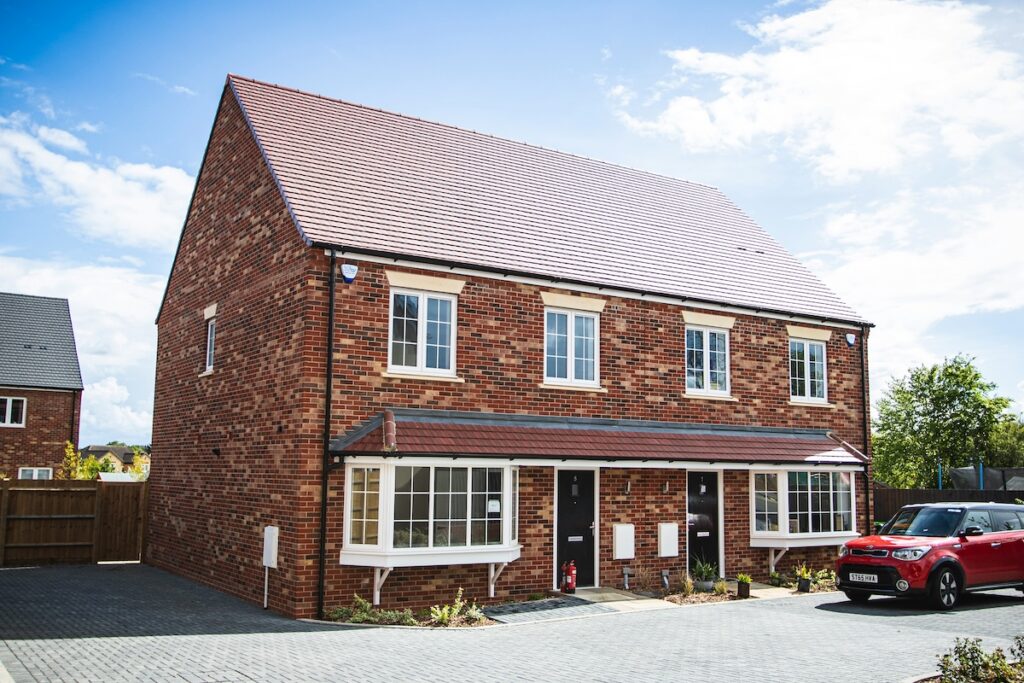
With the minimum deposit, the purchase would be funded as follows:
- Deposit (2.5%): £7,500
- Government equity loan (20%): £60,000
- Mortgage (77.5%): £232,500
By comparison, buying the same property with a standard 95% mortgage would require a £15,000 deposit and a £285,000 mortgage.
The scheme therefore reduces both the initial deposit and the mortgage required. The mortgage rate offered will depend on participating lenders, their products and the buyer’s circumstances.
Buyers will still need to pass affordability and credit checks, and budget for the other costs of buying and owning a home.
What happens to the equity loan?
The government’s contribution is a loan, not a grant.
It is interest-free for five years. Interest then becomes payable at 1.5% in year six and 3% from year seven, alongside the buyer’s mortgage payments.
Paying interest does not reduce the equity loan balance.
The loan will normally be repaid when the property is sold, although buyers will also be able to repay some or all of it earlier. Full guidance on repayments, valuations, fees and remortgaging is still to be published.
How much will you repay?
For a 20% equity loan, you will normally repay 20% of your home’s value at the time of repayment, based on an independent valuation. The amount can therefore rise or fall as your property’s value changes.
The loan is normally repaid when you sell, although you can repay some or all of it earlier. Full repayment guidance, including valuation requirements and fees, is still to be published.
2. Who qualifies and which homes are eligible?
Buyer eligibility

Buyers will normally need to:
- Be a first-time buyer.
- Purchase a qualifying new-build home in England as their main home.
- Have a household income of no more than £110,000 outside London, or £140,000 in London.
- Provide a deposit of between 2.5% and 15% of the purchase price.
- Obtain a repayment mortgage from a participating lender.
The scheme is intended to support buyers who would struggle to purchase a suitable new-build home without assistance. Full eligibility rules will be published before applications open.
Local property price caps
The maximum eligible purchase price depends on the property’s location. Selected caps include:
| Local authority | Price cap |
| North Lincolnshire | £215,000 |
| Bristol | £325,000 |
| Manchester | £355,000 |
| Reading | £375,000 |
| Bath and North East Somerset | £400,000 |
| Guildford | £505,000 |
| Outer London | £500,000 |
| Inner London | £650,000 |
A property must also be offered by a developer participating in the scheme. Falling below the local price cap alone does not establish eligibility.
Read the full list on the GOV.UK website.
Is Your First Home open yet?
Not yet. The scheme is expected to open for applications in February 2027, with customer pre-registration expected before the end of December 2026 and the first property sales from April 2027 (GOV.UK).
Pre-registration will not commit buyers to a purchase. Participating developers and lenders have not yet been named.
Is it the same as Help to Buy or First Homes?
Your First Home follows a similar equity loan model to Help to Buy, which required a minimum 5% deposit and offered a government loan of 20%, or 40% in London.

The new scheme reduces the minimum deposit to 2.5%, offers a 20% loan across England and introduces household income limits alongside local property price caps.
It is separate from First Homes, which offers eligible first-time buyers selected homes at a discount of at least 30% from market value. Your First Home does not discount the purchase price.
3. What buyers should consider
A smaller deposit still leaves costs to plan for
Reducing the deposit requirement could help buyers purchase sooner. However, the deposit is only one part of affordability.
Buyers should consider mortgage payments, future equity loan interest, legal and mortgage fees, maintenance, and any service or estate charges. They should also understand how the equity loan will be repaid before committing.
Limited equity increases exposure to falling prices
A buyer contributing a 2.5% deposit starts with a small financial stake in the property. A fall in its value could erode that stake and make selling or remortgaging more difficult.
Buyers should also compare the price of a new-build with similar local properties and assess the home on its own merits. Access to the scheme does not, by itself, establish that a property offers good value.
For leasehold homes, this includes reviewing the lease, service charges and relevant building safety information.
Should you wait for the scheme?
There is no single answer. It will depend on eligibility, the homes available, mortgage options and the buyer’s intended timescale.
Waiting may be worth considering if the deposit is the main obstacle and suitable properties are expected to qualify. But buyers should not assume that a particular development will participate or that the scheme will provide the best overall option.
The final rules and available mortgage products will be important to that comparison.
4. What it could mean for the property market and investors

Can property investors use the scheme?
Your First Home is intended for first-time buyers purchasing their main home (GOV.UK). It is not a buy-to-let purchasing scheme.
Existing property owners cannot use it, and investors should not assume that a property bought through the scheme can subsequently be let. Detailed rules on letting have not yet been published.
Demand could strengthen for qualifying new-builds
A lower deposit requirement could widen the pool of buyers able to purchase eligible homes.
For developers, that could support sales and improve confidence in bringing forward further development. For investors buying in the same schemes, stronger owner-occupier demand could also influence the availability of stock and developers’ willingness to negotiate.
These are potential effects rather than guaranteed outcomes. The scale of the response will depend on participation, mortgage availability and local demand.
The impact will vary by location and price point
The price caps mean the benefits are unlikely to be evenly distributed.
Analysts at Panmure Liberum expect developers such as Persimmon and MJ Gleeson to benefit more than Berkeley, whose properties are more likely to sit above the scheme’s limits (Yahoo Finance).
For investors, the useful question is therefore how the scheme affects the particular market and development they are considering.
Some tenants may be able to buy sooner
For eligible tenants, a smaller deposit requirement could shorten the route to homeownership.
However, this does not automatically translate into weaker rental demand. Buyers will still need sufficient income, mortgage approval and a suitable qualifying home. Any effect on the rental market will depend on local conditions and the number of tenants able to use the scheme.
Will it lead to more homes being built?
This is the central question behind the industry response.

Additional buyer demand could support development, but construction costs, planning and the financial viability of projects will continue to affect delivery.
Berkeley has also called for stamp duty changes to help restart urban homebuilding (City AM). With no stamp duty reform announced in the Budget, Your First Home addresses one barrier to buying while leaving other pressures unresolved.
5. Source's view
Your First Home could provide meaningful help for eligible buyers whose main obstacle is raising a deposit. It could also support sales at developments offering homes within the local price caps.
Its wider impact will depend on whether that support translates into additional housing supply.
For investors, we would assess the scheme alongside the fundamentals of each purchase: price, local demand, rental prospects, ongoing costs and the intended holding period.
As our Founder, Tom Jewell, puts it:
“I’m not against the scheme. If I qualified, I’d absolutely consider using it. But helping someone afford today’s prices and actually making housing more affordable are two very different things.
“We keep finding new ways to help people afford house prices, without doing enough to make housing itself more affordable. We have a housing shortage, yet so much of our housing policy seems focused on helping more people compete for the homes we’ve already got.”
Tom Jewell, Founder, Source Investments, writing in Beyond Property
Read his full article: The Budget didn’t fix the housing market. It just moved the pressure around.
Exploring your options with Source
If you are considering a new-build home, we can help you explore developments that fit your budget and plans.
As participating developers and lenders are confirmed, we will be able to clarify where Your First Home may be available through our developer partners. Any purchase will remain subject to the scheme’s eligibility rules and lender approval.
Speak to the Source team on WhatsApp →
We will update this guide as further official guidance is published ahead of the scheme opening.
Frequently asked questions
Is the Your First Home scheme open yet?
Not yet. Pre-registration is expected before the end of December 2026, applications open in February 2027 and the first property sales are expected from April 2027.
Who qualifies for Your First Home?
First-time buyers in England buying a new-build from a participating developer, within the local price cap, using it as their main home, with household income of £110,000 or less outside London (£140,000 or less in London). Full eligibility rules will be published before applications open.
Is Your First Home a grant?
No. It is a government equity loan that has to be repaid. It is interest-free for the first five years.
Is it the same as the First Homes scheme?
No. First Homes sells homes at a discount of at least 30%. Your First Home is an equity loan on a home bought at full price.
Is Your First Home a good idea?
It lowers the deposit needed, but a smaller deposit means less equity and a higher risk of negative equity if prices fall. Interest on the equity loan starts after five years, and full repayment guidance is still to come. Read the final rules before deciding.
Can investors use Your First Home?
No. The scheme is for first-time buyers who will use the property as their main home. Rules on letting a home bought through the scheme have not been published.
For more investor news and insights from the Source team, sign up to our email newsletter.
Sources
UK Parliament: written statement on First Homes eligibility (income cap £80,000; £90,000 in Greater London)
Own Your Home (government): First Homes
Medway Council: About the First Homes scheme (at least 30% discount)

Freya joined in the summer of 2025 as our Marketing Executive. Her role includes managing and delivering our core marketing communications, including social media, email, and website activity.
With a background in design, Freya also leads on our brand identity, ensuring our content and visuals stay consistent, creative, and true to who we are.